
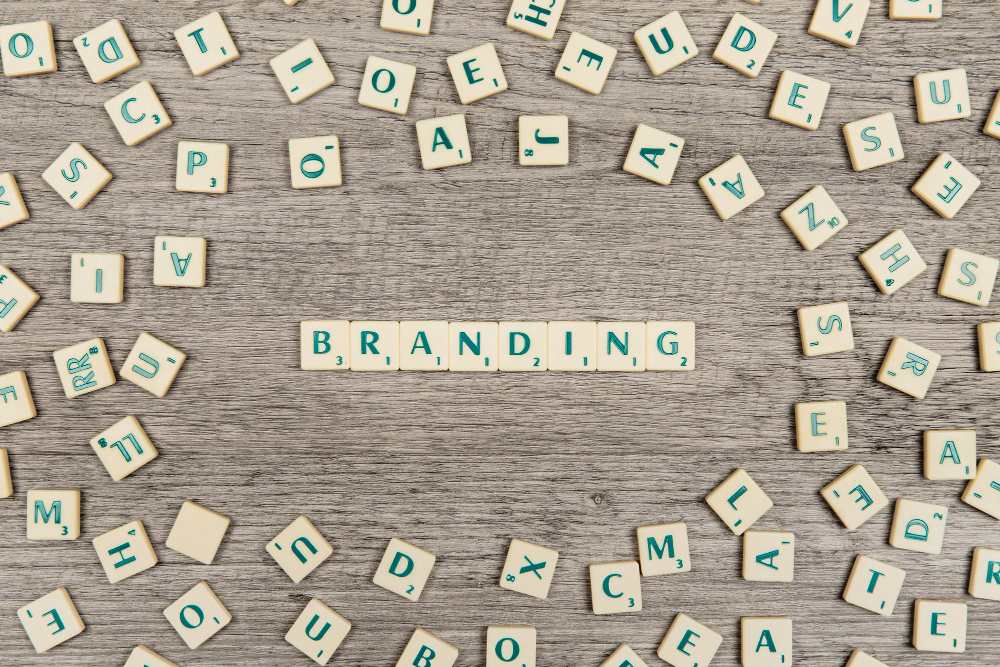
Building a brand is what matters most. It could be personal branding, business branding or both, as long as the brand is recognised and trusted. Which branding should a company or founder focus on depends largely on the product or service it sells. Besides, there are factors, such as the stage of the company and the personality of the founder, that also count.
But before you can decide or debate, it is important to understand what each really means.
What Is Personal Branding?
Personal branding is when the name or face of a person is used to connect with customers or users. Today, personal branding is more common because of social media and other digital platforms. You could be sharing cooking tips on Instagram or explaining complicated technology-related jargon in simple words. People remember you, your delivery style, your research and your presence (whether in person or on screen).
You may or may not have a business yet. For instance, you may just be giving tips without selling any cooking equipment. But you certainly are building your personal brand because people are listening and following you. The best thing about personal branding is that it is easy to start. You can begin with only a phone.
What is Business Branding?
Business branding is all about the business. It is not a person’s name or face, but the company’s logo, packaging or website. Business branding highlights the identity of the business and is related to the sale of its product or service.
Any brand, be it Paper Boat or Nike, is immediately identifiable as a business, not as the person who founded or owns it or who works in it.
Customers trust the brand, its quality and its services. Even if the business scales or is taken over by another owner, the brand continues to be remembered.
The Beginnings
If you are just starting, what should you focus on?
For solo entrepreneurs, trying to build their personal brands first makes sense. You do not have to spend money on creating a logo or marketing with big advertisements. Instead, you can use your name and face to connect with your potential customers.
Honestly, speak about your journey and your business idea. There is a good chance that people will not only like you, but also start paying you.
However, the business may be a long-term venture, and you plan to expand and get more products and people on board. In this case, you can slowly start shifting to business branding, because you alone may not be able to represent the entire company all the time.
Quick Read – 7 Things High-Performing Women Leaders Do Differently
Can Both Work Together?
Yes, you can build your personal and business brand. However, it may not happen in parallel at the same time. Instead, you can choose one of these first and work on it. Begin the other after the first has gained some momentum.
Most founders first start with personal branding. They interact with people, show themselves and sell their products and services. After some time, they get an idea of what people want and what their concerns are. Using this information, the founder tries to improve the product and then changes focus towards business branding. This is a pragmatic and less risky approach.
For instance, there is a fitness coach. He starts by introducing himself and posting workout videos. Every day, he shows exercises, client reviews, and health information. The personal brand becomes stronger as viewers start trusting the coach and watch his content. Slowly, the business expands. There are more clients, and the coach may hire more trainers. This is also a good time to build a website, design a business logo and start building a bigger team to handle a larger client base. Personal branding paves the way for business branding here. The coach laid a solid foundation with his personal branding, creating trust, which is then taken forward by the business brand as the company expands.
Here is a quick summary to understand personal and business branding better:
Personal Branding:
- It is about you
- Ideal and cost-effective when starting your business
- Builds faster connections with people
- Flexible and easy to make changes
- Depends on your personality and presence
Vs
Business Branding:
- It is about the company
- Ideal when the business is scaling
- Builds long-term connections
- Not easy to change once the business is established
- Does not depend on you. It can continue to function without you.
Finally, it is entirely up to you to decide whether your company needs to concentrate on personal or business branding. Most companies start with personal branding and follow it up with business branding. However, there is no golden or perfect rule for this. If you have a clear-headed, strong plan and a design and logo already in place, then circulating and building your business brand from the start can also work. Or if you are shy by nature and prefer not to personally talk about your company, you can focus on building the business brand.
Suggested Read – The List of Everything AI Cannot Do
But if you are starting with minimal experience and are passionate about your idea, you can try personal branding. As an enthusiastic and honest entrepreneur, you may form an instant connection with your customers.
Essentially, coming back to the basics – Branding is all that matters. Whether you first build your personal brand and then a business brand, or vice versa, or you choose to build only one, is your choice. A choice you make, keeping in mind your product, service, stage of business, your personality and perhaps a gut instinct.
EntrepreneursLeague is an initiative to support startups and leading entrepreneurs with more visibility, resources, and community for growth and networking.